Best DIY Home Repair Tools for Everyday Fixes
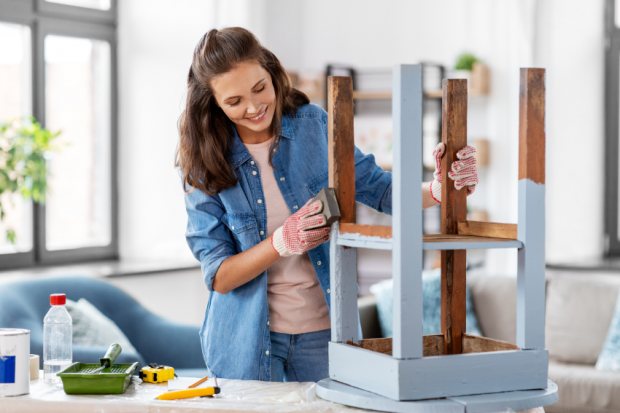
DIY home repair tools make everyday jobs easier, safer, and quicker to manage. You do not need a full workshop to fix a loose handle, hang a shelf, repair a fence panel, tighten a hinge, or touch up a painted wall.
A good toolkit starts with the jobs you actually do at home. For most households, that means basic measuring, cutting, fixing, tightening, sanding, painting, and outdoor maintenance.
Mole Avon Country Stores stocks decorating and DIY tools for common repairs, home projects, and garden maintenance. You can find practical options for small fixes, weekend jobs, and larger tasks around rural homes, sheds, garages, and outbuildings.
Home Repair Tools to Keep Ready for Everyday Jobs
Home repair tools should be easy to find when something breaks. Keep your main tools in one box or bag. That saves time and stops small jobs from becoming a search through drawers, sheds, and cupboards.
A basic DIY toolkit should include:
- Tape measure
- Claw hammer
- Screwdriver set
- Adjustable spanner
- Pliers
- Utility knife
- Spirit level
- Hex keys
- Small saw
- Sandpaper
- Torch
- Safety gloves
- Dust mask
- Screws, wall plugs, nails, and picture hooks
- Strong tape
- Wood glue
These tools cover many common jobs. You can tighten loose screws, hang frames, assemble flat-pack furniture, fix handles, trim small pieces of timber, and make basic repairs.
A spirit level is worth having, even for small jobs. Shelves, curtain poles, hooks, and brackets are much easier to get right when you measure properly first.
Safety matters too. Gloves, eye protection, and dust masks are not extras. They help protect you when cutting, sanding, drilling, or clearing old materials.
DIY for Beginners: Where to Start at Home
DIY for beginners should start with simple, low-risk jobs. Do not begin with plumbing, electrics, or anything structural. Build confidence first.
Good starter tasks include:
- Tightening cupboard handles
- Replacing door hooks
- Filling small wall holes
- Sanding and repainting a shelf
- Hanging lightweight pictures
- Putting up simple storage hooks
- Resealing small gaps with decorator’s caulk
- Touching up skirting boards or doors
Start by checking what the job needs before buying tools or materials. Measure the space. Check the wall type. Read product labels. Make sure you have the right fixings.
A common beginner mistake is using the wrong wall plug or screw. Plasterboard, brick, timber, and masonry need different fixings. If you are unsure, ask before drilling. Guessing can leave holes, loose fittings, or damaged walls.
For decorating, keep the basics ready. A roller, paint tray, brushes, masking tape, filler, scraper, sanding block, and dust sheets will cover many small painting jobs.
Mole Avon Country Stores can help you choose decorating and DIY tools that suit the job, rather than buying items you may never use.
Power Tools for Home Use on Projects Big and Small
Power tools for home use can save time, but you do not need to buy everything at once. Start with the tool you will use most often.
For many homes, a cordless drill driver is the first useful power tool. It can drill pilot holes, drive screws, assemble furniture, fit brackets, and help with garden repairs. Choose one that feels comfortable to hold and has enough battery life for your usual jobs.
Other useful power tools include:
- Sander for doors, shelves, furniture, and paint prep
- Jigsaw for light cutting jobs
- Multi-tool for trimming, scraping, and awkward cuts
- Hammer drill for masonry jobs
- Pressure washer for patios, paths, and outdoor surfaces
Think about where you will use the tool. A heavy-duty tool may be too much for small household jobs. A lightweight tool may not cope with repeated use on harder materials.
Check whether the tool comes with a battery and charger. Some ranges sell bare tools separately. That can be useful if you already use the same battery system but annoying if you do not realise until you get home.
Always read the instructions. Wear eye protection when cutting, drilling, or sanding. Keep loose clothing away from moving parts. Unplug or remove the battery before changing blades, bits, or sanding pads.
Outdoor Home Maintenance and the Tools You Will Need
Outdoor home maintenance often needs stronger tools than indoor repairs. Weather, mud, rust, weeds, and rough surfaces can make simple jobs harder.
Useful tools for outdoor maintenance include:
- Stiff broom
- Garden hose
- Pressure washer
- Scraper
- Wire brush
- Outdoor gloves
- Pruning saw
- Secateurs
- Spade or Shovel
- Fork
- Rake
- Ladder
- Exterior paint brush
- Fence brush
- Hammer
- Drill
- Screws and outdoor fixings
Common outdoor jobs include cleaning patios, repairing fence panels, painting gates, clearing gutters, tightening shed hinges, and fixing loose outdoor hooks or brackets.
Use fixings made for outdoor use. Standard indoor screws can rust quickly outside. Galvanised or exterior-grade fixings last better in damp conditions.
Check timber before you repair it. If wood is rotten, a screw may not hold. You may need to replace the damaged section rather than patch it.
For painting or treating sheds, fences, and gates, clean the surface first. Remove loose dirt, old flakes, and algae. Let the surface dry before applying paint, stain, or treatment. That gives a better finish and helps the product do its job.
If a job involves height, electrics, gas, major plumbing, or structural repairs, do not guess. Use a qualified tradesperson.
For everyday fixes, the right DIY home repair tools help you handle small jobs with less stress. Visit Mole Avon Country Stores for decorating and DIY tools, home repair tools, hardware, fixings, and outdoor maintenance supplies. You can also contact us for help finding the right tools for your next job.
-
Posted by Lauren Cook
4th August 2026