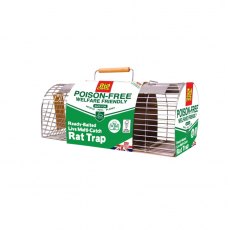
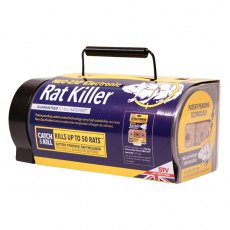
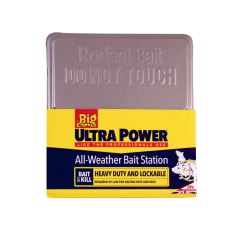
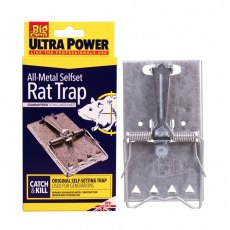
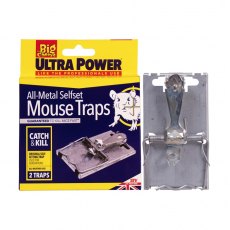
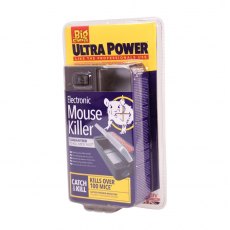
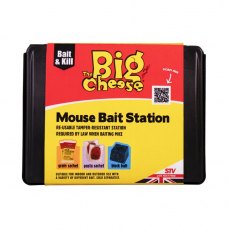
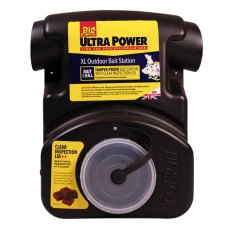
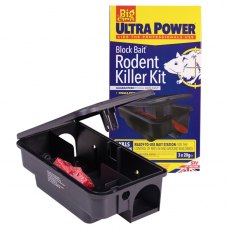
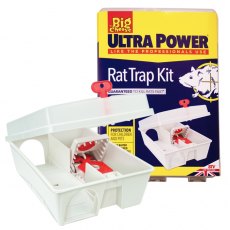
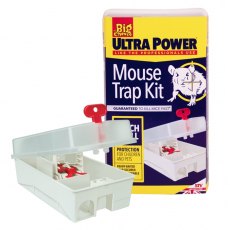
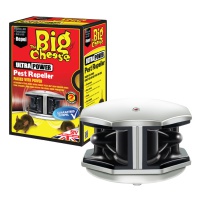
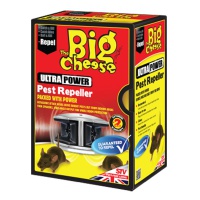
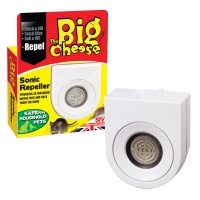
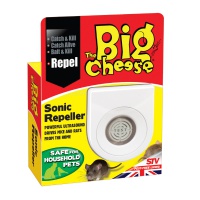
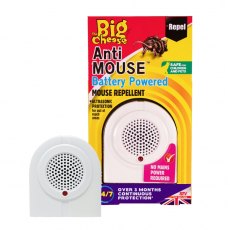
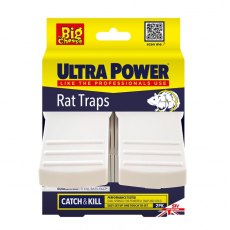
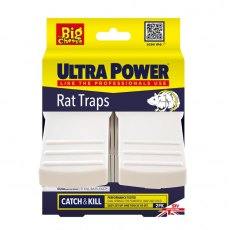
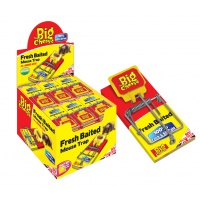
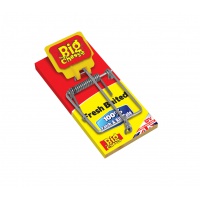
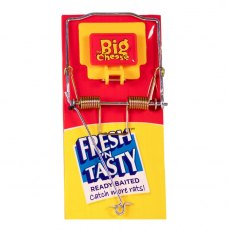
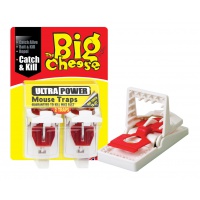
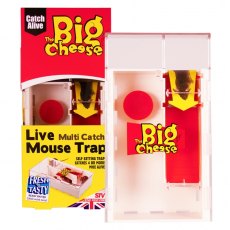
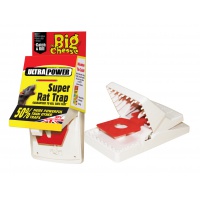
Rodent traps are devices used to control rats and mice by catching, containing or killing them. Common types include spring traps, live-catch traps and electronic traps, while secure rodent bait stations are used to house bait and limit access by children, pets and other non-target animals. Mole Avon stocks options for farms, smallholdings, gardens and homes.
The range includes traditional self-setting rat and mouse traps, ready-baited traps, live-catch models, electronic rat and mouse traps and secure bait stations from The Big Cheese, STV and other suppliers. Many reusable traps require a suitable bait or attractant when first set and may need to be re-baited between uses, so bait may need to be purchased alongside the trap. Ready-baited models already contain bait. For broader control options, see our rat and mouse control supplies and rodent baits ranges.
Frequently Asked Questions About Rodent Traps
What Type Of Rodent Trap Should I Choose?
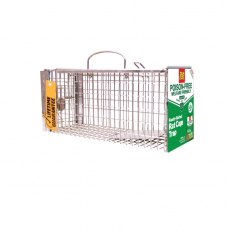
The right rodent trap depends on the pest, location and how you want the trap to work. Rat traps are sized for rats, while mouse traps suit smaller rodents. Spring traps provide mechanical control, live-catch traps retain the animal, and electronic traps use an electric kill mechanism. Always follow the product instructions for placement and use.
What Is The Difference Between Rat Traps And Mouse Traps?
Rat traps and mouse traps are designed around the size and strength of the target rodent. Rat traps are generally larger and more powerful, while mouse traps are smaller and suited to lighter animals. Choose a product specifically labelled for the rodent you are targeting, and position and use it according to the manufacturer's directions.
What Are Rodent Bait Stations Used For?
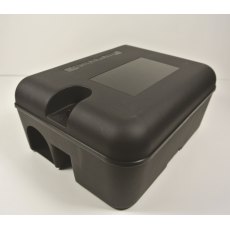
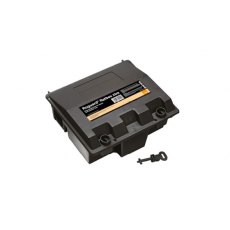
Rodent bait stations are enclosed housings designed to hold rodent bait securely and limit access by children, pets and other non-target animals. Mole Avon's range includes lockable and tamper-resistant rat and mouse bait stations in several sizes. The bait itself should be selected and used strictly in line with its product label and safety directions.
Do Rodent Traps Need Bait?
Many rodent traps need bait or an attractant to draw rats or mice into the trap, especially reusable spring, live-catch and electronic models. Ready-baited traps already contain bait, while other traps may require bait to be purchased separately and replaced between uses. Always follow the trap and bait product instructions for safe, effective use.
Where Should I Place Rat and Mouse Traps?
Place rat and mouse traps along walls, near signs of rodent activity, and in areas where droppings, gnaw marks, or nesting material are present. Rodents often travel along edges rather than across open spaces. Keep traps away from children and pets, and always follow the placement directions provided with the product.
Are Electronic Rodent Traps Reusable?
Many electronic rodent traps are designed for repeated use, although this depends on the specific product. Reusable models typically require cleaning, battery checks, proper resetting and, where applicable, fresh bait or attractant after each capture. Review the manufacturer’s instructions before reuse, and make sure the trap is powered, baited if required, and positioned correctly before placing it back in an active area.



 Grid
Grid List
List