Livestock Feeding Tips for Farmers and Smallholders
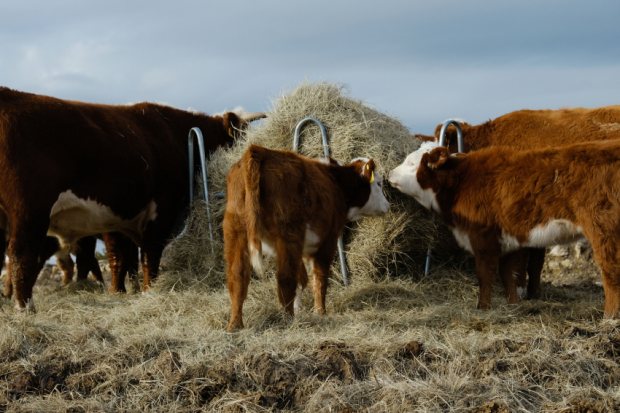
Livestock feeding needs the right mix of feed, routine, and equipment. A good setup reduces waste, keeps feed cleaner, and makes daily jobs easier. That matters whether you manage a working farm, a smallholding, a few sheep, backyard poultry, or cattle through winter.
The right feeder depends on the animal, group size, feed type, field conditions, and how often you can check stock. A feeder that works well in a dry yard may not suit a wet field. A small flock does not need the same setup as a larger herd.
At Mole Avon Country Stores, you can find troughs and feeders for cattle, sheep, poultry, horses, and smallholder use. You can also ask for practical advice before you buy.
Round Bale Feeders for Cattle in Yards and Fields
A round bale feeder for cattle helps reduce hay and silage waste. Without a feeder, cattle can trample feed into mud, bedding, or manure. That costs money and can increase the risk of spoiled feed.
For yard use, choose a feeder that is strong enough for daily pressure from cattle. It should be stable, easy to load, and designed so animals can feed without pushing each other too much. Check that there are enough feeding spaces for the group. If access is too limited, shy animals may struggle.
For field use, think about ground conditions. A feeder placed in the same wet spot for too long can lead to poaching. Move it where possible, especially during wet weather. Place it where machinery can reach safely, but not where it blocks gateways or high-traffic areas.
Look for smooth edges and safe access points. Cattle are strong, and a poor-quality feeder can bend, shift, or create injury risks. It is better to buy a suitable feeder once than replace a weak one after a hard winter.
Poultry Feeders and Drinkers for the Smallholder
Poultry feeders and drinkers should keep feed dry, clean, and easy for birds to reach. Chickens waste feed quickly if it is placed in an open dish. They scratch it out, walk through it, and leave it exposed to rain and wild birds.
A good poultry feeder helps control waste. Hanging feeders can work well because they stay off the floor. Treadle feeders can help reduce access for pests and wild birds. Smaller feeders may suit a few hens, while larger flocks need higher-capacity options.
Clean water matters just as much as feed. Choose drinkers that are easy to refill and clean. In hot weather, birds drink more. In winter, water can freeze, so check drinkers often.
Place feeders and drinkers in a sheltered position. Keep them away from perches where droppings can fall into them. If you move poultry on grass, move feed points too. That helps keep the ground cleaner.
For smallholders, it is worth keeping spare drinkers, grit, disinfectant, and bedding ready. Poultry care is easier when you have the basics on hand.
Sheep Feeders for Outdoor and Barn Use
Sheep feeders that UK buyers choose often depend on flock size, breed, and whether the sheep are indoors or outside. Sheep can waste a lot of hay if it is fed loose on the ground. A suitable feeder keeps forage cleaner and makes it easier to monitor intake.
For outdoor use, choose a feeder that stands firm and copes with wet ground. It should be easy for sheep to access without climbing into it. Young lambs need extra care around feeders, so check the design is suitable for the animals using it.
For barn use, wall-mounted racks, hurdles with feed access, and troughs can all be useful. Make sure there is enough space for the group. Crowding at feed points can lead to bullying, stress, and uneven feeding.
A hay rack for horses is not the same as a sheep feeder. Some racks and nets are designed for horses, while sheep need equipment that suits their height, head size, and feeding behaviour. Always check the product is right for the animal.
Keep feeders clean. Old, wet, or mouldy feed should be removed. Good feeding equipment helps, but regular checking still matters.
Cattle Feeding Equipment and How to Choose the Right Type
Cattle feeding equipment should match the way you feed. Start with the feed type. Hay, silage, cake, minerals, and mixed rations all need different equipment.
For forage, round bale feeders, ring feeders, and barrier feeders are common choices. For concentrates, use troughs that give enough space for cattle to feed safely. For minerals, choose covered holders where possible, especially outdoors.
Before buying, check:
-
Animal type and size
-
Number of animals feeding at once
-
Indoor or outdoor use
-
Feed type
-
Ground conditions
-
Ease of filling
-
Cleaning needs
-
Strength and stability
-
Safe edges and access points
Do not buy only on price. Cheap equipment can cost more if it wastes feed, breaks quickly, or creates safety issues. Look at how it will be used every day.
Smallholders should also think about storage. If space is limited, choose equipment that can be moved, cleaned, and stored without difficulty. Farmers with larger herds may need heavier-duty options for regular use.
Mole Avon Country Stores stocks troughs and feeders for practical farm and smallholder needs. The team can help you compare options for cattle, sheep, poultry, and equine use.
Good livestock feeding starts with suitable equipment and regular checks. Choose feeders that reduce waste, protect feed, and suit your animals. For help choosing troughs, round bale feeders, poultry feeders and drinkers, sheep feeders, or cattle feeding equipment, visit Mole Avon Country Stores or contact us for advice on livestock feeding.
-
-
Posted by Lauren Cook
18th August 2026